
2026 Midterms · U.S. House · California Safe R
California — 5th District
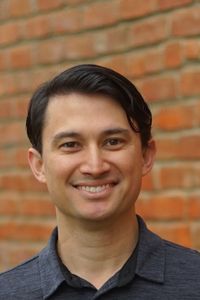
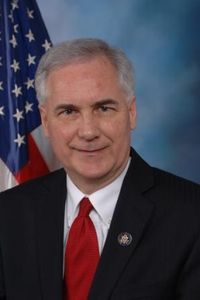
Incumbent Republican Tom McClintock faces Democratic challenger Michael Masuda in the general election for California's 5th Congressional District on November 3, 2026, following mid-decade redistricting under California Proposition 50. The race pits McClintock's long-standing conservative record of tax cuts, environmental deregulation, dam construction, and strict border enforcement against Masuda's platform focused on wildfire mitigation, healthcare defense, affordable housing, and government ethics reforms. Major nonpartisan rating outlets—including The Cook Political Report, Inside Elections, Sabato's Crystal Ball, and DDHQ/The Hill—rate the contest as Solid or Safe Republican. McClintock advanced from the June 2, 2026 top-two primary with 63.1% of the vote, while Masuda secured the second general election spot with 22.7%.
The pulse
updated Sep 16Wildfire management & forestry
high salienceMasuda advocates for increased federal agency funding, staffing, and science-based fuel reduction workforces, while McClintock focuses on overhauling environmental regulations to clear overgrown public forests.
Democratic Michael Masuda
Supports expanded forest thinning and wildfire jobs
Masuda advocates for science-based forest thinning, prescribed fires, and increased funding and staffing for federal land agencies like the U.S. Forest Service, National Park Service, and Bureau of Land Management. He proposes building a local year-round wildfire resilience workforce, stabilizing home insurance in high-risk areas, and supporting community protection efforts like home hardening.
- Expand science-based forest thinning and prescribed burning across federal lands.
- Increase staffing and funding for federal land agencies including the U.S. Forest Service, NPS, and BLM.
- Create a year-round local workforce for fuel reduction, forestry, and biomass energy.
- Incentivize home hardening and defensible space to help lower and stabilize home insurance costs.
“Protecting our communities and addressing rising insurance costs requires a smarter, more coordinated approach that reduces risk and ensures resources reach the ground.”
Republican Tom McClintock
Supports aggressive forest management and dam construction
McClintock argues that decades of federal neglect have left Sierra Nevada forests dangerously overgrown and vulnerable to disease, pestilence, and catastrophic wildfires. He advocates for overhauling environmental regulations to permit active forest thinning and management to protect communities and national parks like Yosemite.
- Overhaul environmental regulations that restrict forest management and tree clearing.
- Warns that overgrown forests around Yosemite Valley pose an imminent threat of catastrophic wildfire.
- Promote active forest management and resource abundance across public lands.
“Yosemite is also threatened by years of neglect of its surrounding forests, which are now dangerously overgrown and are falling victim to disease, pestilence and ultimately, catastrophic wild fire.”
Economy and cost of living
high salienceMasuda proposes direct federal investments to reduce household expense burdens, whereas McClintock advocates reducing corporate and individual tax and regulatory burdens to drive economic growth.
Democratic Michael Masuda
Supports targeted federal investments and affordability
Masuda focuses on addressing major cost drivers affecting working families, including housing, healthcare, and energy. He rejects corporate PAC money and advocates expanding local trade apprenticeships, supporting small business access to capital, and investing in rural broadband, water systems, and roads.
- Target key cost drivers for working families in housing, healthcare, and energy.
- Reject corporate PAC contributions and focus policy on working-class affordability.
- Expand local apprenticeships, trade programs, and local hiring requirements for federal projects.
- Invest in essential rural infrastructure including roads, water systems, and broadband.
“Affordability isn’t one issue, it’s the combined pressure of housing, healthcare, energy, and everyday costs hitting families all at once.”
Republican Tom McClintock
Supports cutting taxes and regulatory burdens
McClintock maintains that economic growth is generated by cutting tax and regulatory burdens on businesses and individuals. In Congress, he voted for major tax relief and budget reconciliation bills, including H.R. 1 (One Big Beautiful Bill Act) and the Tax Relief for American Families and Workers Act.
- Reduce tax and regulatory burdens to foster private-sector business expansion.
- Voted for the One Big Beautiful Bill Act (H.R. 1) to modify tax policy and adjust debt limits.
- Voted for the Tax Relief for American Families and Workers Act of 2024.
- Signed Americans for Tax Reform's Taxpayer Protection Pledge.
“Whenever we have reduced the tax and regulatory burdens on the economy, it has thrived and expanded.”
Government ethics and election reform
high salienceMasuda demands congressional term limits, stock trading bans, and campaign finance overhauls, while McClintock focuses on federal voter proof-of-citizenship requirements and executive oversight inquiries.
Democratic Michael Masuda
Supports congressional term limits and stock bans
Masuda makes anti-corruption reform a central campaign priority, advocating for term limits for members of Congress, a ban on congressional stock trading, and strict ethics rules across all government branches. He supports overturning Citizens United, ending partisan gerrymandering, and using House oversight to hold the executive branch accountable.
- Establish term limits for members of the U.S. House and Senate.
- Ban stock trading by members of Congress and strengthen conflict-of-interest enforcement.
- Overturn Citizens United, ban corporate PAC donations, and reform campaign finance laws.
- Use House investigative powers to inspect federal program effectiveness and check executive power.
“To restore trust, we need to replace long-serving officials, ban stock trading in Congress, implement new divestment requirements, establish clear ethics rules and stronger enforcement, end the revolving door between Congress and lobbying, end partisan gerrymandering, implement term limits, and reform campaign finance laws.”
Republican Tom McClintock
Supports voter ID laws and executive oversight
McClintock focuses on voter eligibility enforcement and constitutional checks on the executive branch. He voted for the SAVE Act to require documentary proof of citizenship for federal voting and supported formal House impeachment inquiry proceedings into President Joe Biden.
- Voted for the SAVE Act (H.R. 22) requiring proof of citizenship to register for federal elections.
- Voted for H.Res. 918 authorizing an impeachment inquiry into President Joe Biden.
- Opposed California Proposition 50 mid-decade congressional redistricting.
Healthcare
high salienceMasuda prioritizes preserving Medi-Cal and expanding federal support for rural clinics, whereas McClintock calls for the full repeal of the Affordable Care Act.
Democratic Michael Masuda
Supports protecting Medi-Cal, Medicare, and rural care
Masuda seeks to protect Medi-Cal and Medicare coverage while expanding telehealth and provider incentives to keep rural hospitals and clinics open. He supports lowering out-of-pocket prescription drug costs and expanding rural mental health, addiction, and maternal care services.
- Protect Medi-Cal and Medicare coverage from federal spending cuts.
- Reduce prescription drug prices and increase patient price transparency.
- Stabilize rural hospitals and clinics through expanded telehealth and reimbursement incentives.
- Expand mental health, addiction recovery, and maternal healthcare access in rural areas.
“In CA-5, that security isn’t guaranteed. Rural communities face long travel times, provider shortages, rising costs, and uncertainty around local hospitals.”
Republican Tom McClintock
Supports complete repeal of Obamacare
McClintock strongly opposes the Affordable Care Act (Obamacare), calling it a complete failure and advocating for its full repeal. He supports market-oriented healthcare solutions to reduce government spending and federal regulation.
- Advocates for the complete legislative repeal of the Affordable Care Act (Obamacare).
- Opposes federal government intervention and mandates in the healthcare industry.
- Voted for budget measures aimed at reducing federal program spending.
“It is, in short, an unmitigated disaster that I have opposed every step of the way. There is no substitute for its complete repeal.”
Immigration & border security
high salienceMasuda pairs border security technology with earned legal pathways for long-term residents and agricultural workers, while McClintock favors strict enforcement, mandatory E-Verify, and expanded deportations.
Democratic Michael Masuda
Supports border security and lawful immigration pathways
Masuda advocates for upgrading border security technology, ports of entry, and drug detection to stop cartels while streamlining legal immigration backlogs. He supports structured legal workforce programs for agriculture and an earned path to legal status for long-term law-abiding residents and Dreamers.
- Upgrade border security technology, drug detection capabilities, and ports of entry.
- Focus enforcement on removing individuals who pose public safety threats.
- Establish legal labor pathways tailored to agricultural workforce needs.
- Create a structured, earned path to legal status with background checks for long-term residents and Dreamers.
“My approach is simple: secure the border, enforce the law, and fix the system so it is orderly, timely, and works for our economy.”
Republican Tom McClintock
Supports strict border enforcement and deportations
McClintock serves as Chairman of the House Judiciary Subcommittee on Immigration Integrity, Security, and Enforcement. He advocates for strict border wall construction, asylum limits, mandatory E-Verify, and immediate detention and deportation for non-citizens convicted of specific crimes.
- Voted for the Secure the Border Act of 2023 (H.R. 2) to limit asylum and require mandatory E-Verify.
- Voted for the Laken Riley Act (S. 5) requiring DHS to detain non-citizens arrested for burglary or theft.
- Voted for H.R. 875 making DUI offenses grounds for deportation or inadmissibility.
- Chairs the House Judiciary Subcommittee on Immigration Integrity, Security, and Enforcement.
“America is a nation of immigrants. With the singular exception of full-blooded Native Americans, we are all either immigrants ourselves or we are the sons and daughters of immigrants.”
Fiscal policy, spending & debt
medium salienceMasuda advocates auditing federal spending while preserving safety-net programs, whereas McClintock supports capping non-defense appropriations to curb national debt growth.
Democratic Michael Masuda
Supports fiscal oversight and targeted investments
Masuda proposes using congressional investigative powers to audit federal programs and eliminate wasteful spending to address annual trillion-dollar deficits. He criticizes reckless spending cuts aimed at lower-income safety nets while opposing tax cuts that benefit corporations and the wealthy.
- Audit federal spending to revise or eliminate ineffective programs and reduce deficits.
- Address income inequality rather than granting tax cuts to corporations and billionaires.
- Ensure federal funding directly supports rural community development without burdening working families.
“At a time when we are running trillion dollar annual deficits, we need the House to use its investigative powers to examine the effectiveness of the laws it passes and the money it spends.”
Republican Tom McClintock
Supports spending caps and debt reduction
McClintock prioritizes reducing national debt by placing strict statutory caps on federal non-defense spending. He voted for major budget discipline bills including the Limit, Save, Grow Act and the Fiscal Responsibility Act of 2023.
- Voted for the Limit, Save, Grow Act of 2023 to cap non-defense spending and raise the debt ceiling.
- Voted for the Fiscal Responsibility Act of 2023 and the One Big Beautiful Bill Act (H.R. 1).
- Warns that rising federal debt undermines national creditworthiness and long-term economic stability.
“The result is that today, our country is another year older and more than a trillion dollars deeper in debt.”
Agriculture & water policy
medium salienceMasuda supports balanced, science-based water management and infrastructure investment, while McClintock advocates overhauling environmental regulations to construct new dams.
Democratic Michael Masuda
Supports water storage, infrastructure, and market stability
Masuda advocates for practical solutions for California farmers, including balanced, science-based water management, expanded storage, and drought resilience infrastructure. He opposes unpredictable tariffs that harm agricultural exports and supports simplifying access to federal conservation and disaster grants.
- Invest in water storage, infrastructure, and drought resilience for Central Valley agriculture.
- Promote international market stability for California specialty crops and oppose erratic tariffs.
- Simplify administrative access to federal conservation and agricultural disaster programs.
- Support reliable legal workforce solutions for farm operators.
“Farmers here already face enough uncertainty, from markets to water to labor. What they need from Washington is consistency and policies they can plan around.”
Republican Tom McClintock
Supports dam construction and environmental overhaul
McClintock contends that California's water shortages can only be resolved by constructing new dams and overhauling environmental regulations that make water storage projects cost-prohibitive. He advocates returning federal natural resource policy to a principle of resource abundance.
- Build new dams to increase water storage capacity across California.
- Overhaul environmental regulations that raise costs and delay dam construction.
- Promote natural resource abundance for agricultural and public consumption.
“We will not solve our water shortages until we start building more dams, and we won’t build new dams until we overhaul the environmental regulations that are making their construction cost-prohibitive.”
Housing & infrastructure
medium salienceMasuda supports expanding federal affordable housing supply and rural infrastructure programs, whereas McClintock opposes debt-financed public bond spending.
Democratic Michael Masuda
Supports increasing housing supply and rural infrastructure
Masuda proposes expanding federal financing for affordable entry-level and multi-family housing while streamlining construction delays for modular and factory-built homes. He supports rural first-time homebuyer programs and infrastructure investments in roads, water systems, and broadband.
- Expand federal financing programs to increase entry-level and multi-family housing supply.
- Support modular and factory-built housing construction to reduce building costs.
- Strengthen rural first-time homebuyer assistance and home upgrade programs for seniors.
- Invest in essential rural infrastructure including roads, water systems, and broadband access.
“In rural communities, rising construction costs, workforce shortages, and the wildfire insurance crisis are making it harder to buy, rent, or stay in a home.”
Republican Tom McClintock
Opposes high-cost public bond measures
McClintock opposes government bond borrowing for public facilities, arguing that debt measures burden future generations. In federal policy, he supports streamlining permitting requirements for energy and pipeline infrastructure.
- Opposes large state debt bond measures such as California Proposition 2 ($10 billion school bond).
- Voted for the Lower Energy Costs Act (H.R. 1) to reduce permitting restrictions for energy infrastructure.
- Advocates for fiscal spending restraint over public borrowing.
“This is a $10 billion bond measure ($17.5 billion with interest – or $1,300 per household) to pay for public schools and colleges.”
Energy & environment
medium salienceMasuda emphasizes energy grid hardening and biomass energy for wildfire safety, while McClintock advocates expanding domestic fossil fuel production and eliminating green energy tax subsidies.
Democratic Michael Masuda
Supports grid modernization and biomass energy
Masuda focuses on modernizing the electric grid to reduce power line wildfire ignition risks and supporting local energy production such as biomass. He aims to protect community grid resilience while maintaining predictable energy prices.
- Invest in grid modernization and hardening to reduce wildfire ignition risks from power lines.
- Support locally driven clean energy solutions, including biomass technology.
- Align energy policy with long-term wildfire mitigation and rural economic growth.
“Invest in grid modernization and wildfire risk reduction. Support locally driven energy solutions, including biomass.”
Republican Tom McClintock
Supports domestic fossil fuels and deregulation
McClintock advocates expanding domestic production of oil, natural gas, and coal while cutting environmental permitting delays for energy projects. He voted to repeal green energy tax credits in federal debt limit legislation.
- Voted for the Lower Energy Costs Act (H.R. 1) to expand domestic oil, gas, and coal production.
- Voted to repeal green energy tax credits in the Limit, Save, Grow Act of 2023.
- Opposes climate change regulatory initiatives that increase energy costs.
“Whenever we have reduced the tax and regulatory burdens on the economy, it has thrived and expanded.”
Foreign policy & national defense
low salienceMasuda prioritizes preventative diplomacy, alliance building, and export trade stability, whereas McClintock emphasizes strong military deterrence and opposing multilateral diplomatic agreements like the Iran nuclear deal.
Democratic Michael Masuda
Supports preventative diplomacy, alliances, and trade
Drawing on his background as a former State Department Foreign Affairs Officer and defense engineer, Masuda advocates for preventative diplomacy, robust international alliances like NATO, and strategic technology investments. He opposes erratic tariffs that harm agriculture and calls for strong congressional oversight of military deployments.
- Invest in diplomacy and international development to prevent conflicts before troops are deployed.
- Strengthen international security alliances including NATO and Indo-Pacific partnerships.
- Defend agricultural export markets by opposing unpredictable tariffs.
- Maintain strong congressional oversight over executive branch foreign policy and defense actions.
“The goal is clear: protect American security, strengthen our economy, and prevent conflicts before they put our troops at risk.”
Republican Tom McClintock
Supports strong military defense capabilities
McClintock focuses on maintaining military readiness through modern technology and equipment to deter foreign attacks. He strongly opposed international diplomatic agreements like the Iran Nuclear Agreement, calling it a major historical error.
- Provide the military with modern technology, equipment, and trained manpower for defense and retaliation.
- Opposed the Iran Nuclear Agreement, warning it funded hostile military and nuclear programs.
- Voted for the Servicemember Quality of Life NDAA for FY2025.
“Our modern military should have the latest technology and best equipment our nation can produce.”
Education
low salienceMasuda advocates fully funding federal special education commitments and expanding career technical training, while McClintock opposes public school debt bonds and supports federal restrictions on school sports participation.
Democratic Michael Masuda
Supports special education funding and career training
Masuda proposes fully funding federal commitments to special education (IDEA) and Title I to ease fiscal pressure on rural school districts. He advocates expanding Career and Technical Education (CTE) tied to local trades and addressing teacher shortages in rural communities.
- Fully fund federal commitments to special education (IDEA) and Title I programs.
- Reduce class sizes and expand access to school counselors and mental health services.
- Expand Career and Technical Education (CTE) partnerships with local trade industries and community colleges.
- Support targeted recruitment and retention programs for rural educators.
“Across the district, educators are being stretched thin as resources fail to keep up with growing student needs, especially in rural areas.”
Republican Tom McClintock
Opposes high-cost school debt bonds
McClintock opposes large public debt measures for educational facilities, such as Proposition 2, arguing they create long-term taxpayer liabilities. In federal legislation, he voted for measures restricting female school athletic programs to biological females.
- Opposed California Proposition 2 ($10 billion public school and college bond).
- Voted for the Protection of Women and Girls in Sports Act of 2025 (H.R. 28).
- Advocates for fiscal accountability and debt control in public education.
“Despite spending record amounts on education, enrollment in California has plunged...”
Prediction markets 2
updated Sep 16Polymarket ↗
CA-05 House Election Winner
Kalshi ↗
CA-05 House winner?
Prices are the market's latest daily close, expressed as an implied win probability. Follow a source link for live prices and volume.